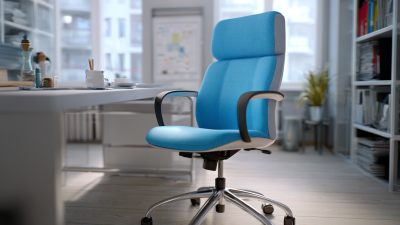
Finding the perfect computer chair? Honestly, it’s more important than ever these days. I’ve chatted with Dr. Sarah Lin from Comfort Ergonomics, and she says, “A really good chair can totally change your whole workspace and make you way more productive.” Especially now that so many of us are working from home, comfort isn’t just a bonus—it’s a must.
Come 2026, and let’s just say the options are pretty overwhelming. On paper, lots of chairs claim to be ergonomic, but honestly, not all of them actually give you the support and comfort you need. It’s so easy to end up dealing with back aches or feeling drained after long hours sitting. Things like lumbar support, adjustable height, and breathable materials are super important—but not every chair out there takes these seriously.
So, finding that perfect chair? Yeah, it takes some digging. Not every brand lives up to their hype. It’s a good idea to really think about what *you* specifically need and prefer. Keep in mind, comfort is pretty subjective—what feels perfect for one person might be awful for someone else. That’s why understanding the different features and how they match your needs is key to making a smart, satisfying choice.
Overview of Computer Chair Importance for Comfort
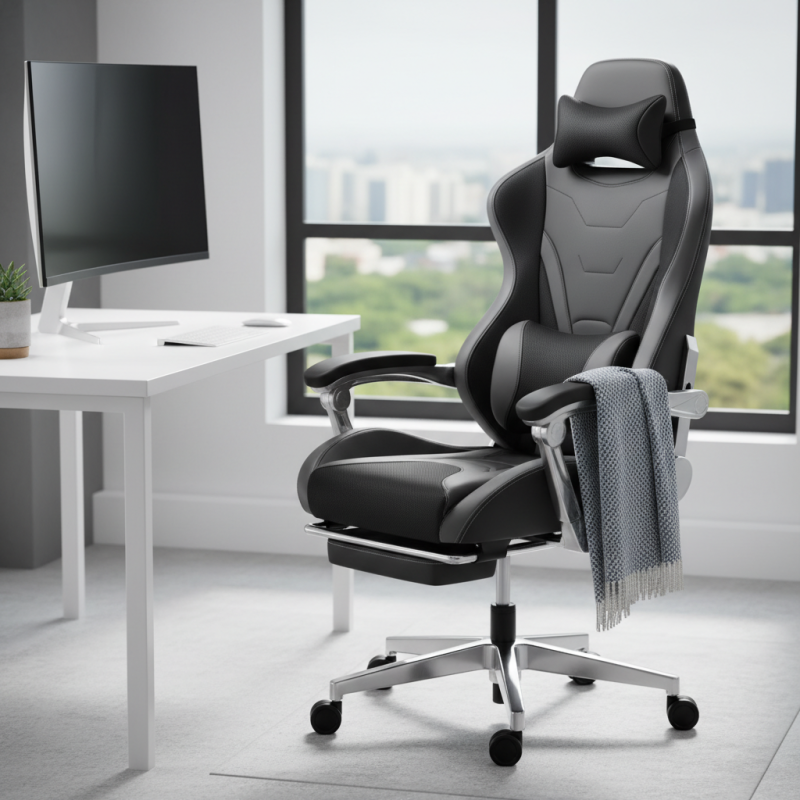
When it comes to Computer Chairs, comfort is essential. Many people spend hours sitting in front of screens. A well-designed chair can make a significant difference in your experience. It supports your posture and alleviates pressure points. The right chair can enhance your focus and productivity. Unfortunately, not everyone realizes how vital this is. Many still choose aesthetics over comfort, which can lead to discomfort.
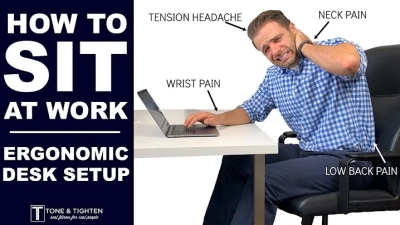
Ergonomics play a crucial role in chair design. Features like adjustable height and lumbar support are important. They ensure that the chair fits your body, not the other way around. Poor choices may result in back pain, fatigue, or even distractions. It’s common to ignore how a chair affects well-being. Small adjustments can lead to immense comfort. Try changing the angle of the backrest or the seat cushion. These minor tweaks can create a better sitting experience. Don’t overlook what can seem trivial initially. A chair might seem perfect at first glance, but practical testing matters.
Key Features to Look for in an Ergonomic Computer Chair
When choosing an ergonomic computer chair, comfort should be a priority. Look for adjustable features. A chair that allows seat height adjustments can accommodate various desk setups. Ensure it supports your lower back. Lumbar support is essential for maintaining good posture. Many chairs offer built-in support, but some require additional cushioning.
Consider the materials used in the chair. Breathable fabrics can create a comfortable environment. A chair with memory foam can contour to your shape. However, not all materials are durable. Some may wear out quickly, leading to discomfort. Upholstery can also affect temperature. A chair that retains heat may become uncomfortable during long hours of use.
Armrests are another key feature. Adjustable armrests allow for versatility. They can relieve pressure on your shoulders and neck. But beware, not all armrests are made equal. Some may not provide adequate support, leading to strain. Finally, test the chair if possible. Real-world experience can reveal hidden flaws. A chair may look perfect but feel otherwise.
Top Brands Leading the Market in Computer Chair Innovations
The world of computer chairs has seen significant advancements in recent years. Many brands focus on ergonomic designs. They understand the importance of supporting good posture. Users benefit from chairs that align with the body's natural curve. This feature helps reduce strain during long hours of work.
Innovation doesn’t stop there. High-quality materials now enhance durability and comfort. Breathable fabrics keep users cool. Some chairs even come with memory foam cushioning. This is especially enjoyable after a long day. Yet, not all designs suit everyone. Finding the right fit can be challenging. Some may feel overwhelmed by options.
The market values variety. Different styles cater to diverse preferences. Some chairs feature built-in lumbar support, while others provide adjustable armrests. Users often overlook the importance of slight adjustments. These small changes can lead to significant comfort improvements. The aim is to blend style with functionality, but not every chair achieves this harmony. It often requires trial and error to find the perfect match.
Detailed Reviews of the Top 10 Computer Chairs for 2026
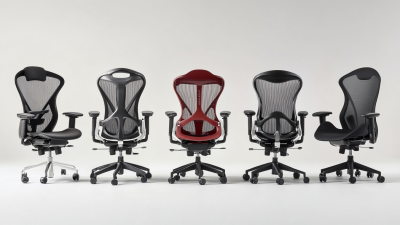
When it comes to choosing a computer chair, comfort is key. As we explore the top ten options for 2026, each chair stands out in unique ways. Look for features like adjustable lumbar support, breathable materials, and cushions designed for long hours of use. While many chairs claim to offer ultimate comfort, the reality can vary greatly.
Some chairs excel in adjustability but lack good padding. Others may look stylish but fail in ergonomics. A chair might fit perfectly, yet after a few hours, it becomes hard and uncomfortable. It's essential to test before buying if possible. Comfort is highly subjective, and what feels good to one person may not work for another.
The reviews will highlight individual benefits and drawbacks. Expect details about each model's seating experience and design flaws. Ultimately, finding the perfect chair requires patience and a willingness to adapt. Personal preferences will lead you to a solution that fits your unique needs. It's okay to experiment and even reconsider choices.
Comparative Analysis of Features, Prices, and Comfort Levels
Finding the perfect computer chair can be challenging. Each option offers unique features that cater to different needs. In 2026, the best chairs provide ergonomic design, adjustable settings, and breathable materials. Many models focus on lumbar support, essential for long hours of use. A chair without proper support can lead to discomfort.
When exploring options, consider price points. Cheaper chairs may fall short on durability and comfort. Investing a bit more can yield significant benefits. Look for models that allow easy adjustments for height and recline. This flexibility helps accommodate various body types. Some chairs may excel in aesthetics but offer poor support.
Don’t overlook the importance of testing a chair before purchasing. The feel and fit are vital. A chair may look great but might not suit you well. Choose wisely based on comfort rather than trends. After all, comfort is key in enhancing productivity.
User Testimonials and Ratings for Each Recommended Chair
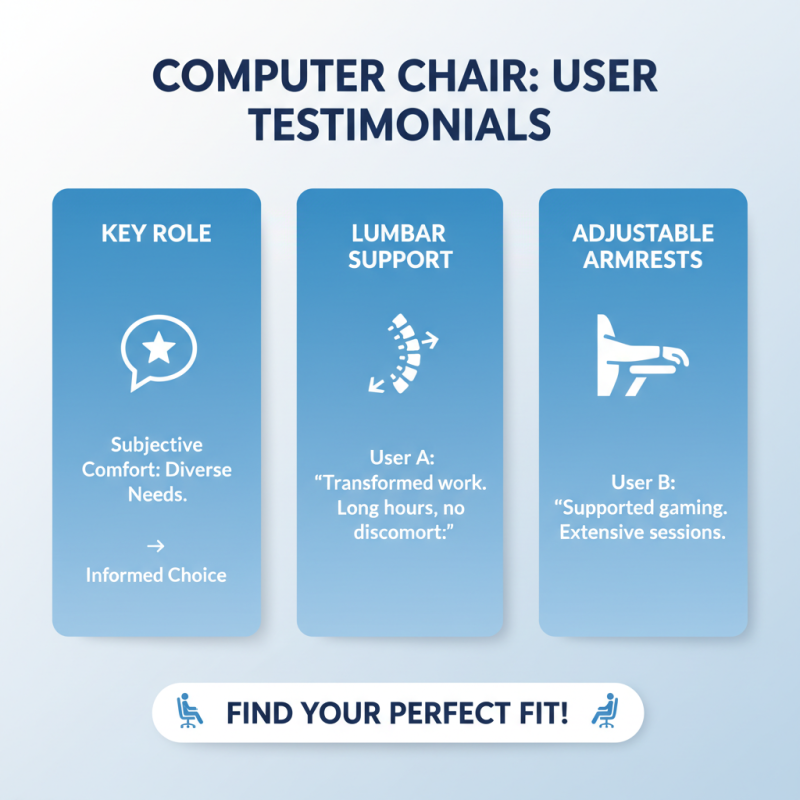
When it comes to choosing the right computer chair, user testimonials play a vital role. Comfort is subjective, and different individuals have varied needs. One user mentioned how adjusting the lumbar support transformed their work experience. The chair's design allowed for long hours of sitting without discomfort. Another user commented on the impact of adjustable armrests. They felt supported during extensive gaming sessions.
However, not everyone experienced perfection. Some users found the seat cushion too firm initially. They needed time to adapt. Feedback indicated that break-in periods are common. Another testifier reported difficulties with assembly. Their chair arrived with unclear instructions, leading to frustration. Yet, once assembLED, they praised its ergonomic features. Many users highlight the importance of test-sitting a chair before purchasing. This personal touch helps in understanding fit and feel. Comfort is not always about the price tag.
Future Trends in Computer Chair Design and Comfort Technologies
In 2026, the future of computer chair design emphasizes both ergonomic support and advanced technology. Reports suggest that over 70% of remote workers experience discomfort during long hours. Designers now focus on adjustable features that cater to individual needs. For instance, chairs may soon include sensors that monitor posture and suggest adjustments in real-time.
Comfort technologies are evolving rapidly. According to industry data, the use of breathable materials can enhance airflow and reduce fatigue. Memory foam and gel-infused cushions are gaining popularity. These options adapt to body shape, offering personalized comfort. This shift aligns with a growing emphasis on wellness in the workplace.
Tips: Invest in a chair with adjustable lumbar support. This feature will greatly improve back support. Choose materials that are easy to clean, adding to the chair's longevity. Remember, comfort choices reflect personal preferences and should cater to your unique experience.
Top 10 Computer Chairs for Ultimate Comfort in 2026
FAQS
: Various categories include electronics, clothing, and home goods. Choices depend on current trends and market demands.
Availability can be checked online or in-store. Information may vary frequently. Always confirm before visiting.
Generally, products can be returned within a specified period. Check for specific conditions. Not all items qualify.
Shipping costs vary based on location and weight. Sometimes, promotions offer free shipping. Evaluate offers carefully.
Contact customer service through available channels. Responses may take time. Be concise about your issue for better assistance.
Order changes are possible within a limited timeframe. Process may not be guaranteed. Always double-check details immediately.
Common methods include credit cards and online payments. Availability may differ by store or website.
Some shops offer loyalty rewards. Membership may require specific purchases. Consider your shopping habits carefully.
Promotions may be advertised online or through newsletters. Not all deals are easy to find. Check frequently to catch them.
Tracking is available for most orders. Information may take time to update. Stay patient while awaiting delivery details.
Conclusion
In the quest for ultimate comfort, selecting the right computer chair is crucial for both productivity and well-being. This article explores the significance of ergonomic designs that cater to individual user needs, highlighting key features such as adjustable height, lumbar support, and breathable materials that play a vital role in enhancing comfort.
Additionally, a detailed review of the top 10 computer chairs for 2026 is provided, showcasing innovative designs that improve user experience. A comparative analysis further examines features, prices, and comfort levels, alongside user testimonials to offer valuable insights into each option. Lastly, the article discusses emerging trends in computer chair technology, emphasizing future advancements that promise to redefine comfort and ergonomics in workspaces.